Get Directions | (909) 704-7575 | Mon-Fri: 6am - 6pm

-
Give us a Call (909) 316-8257
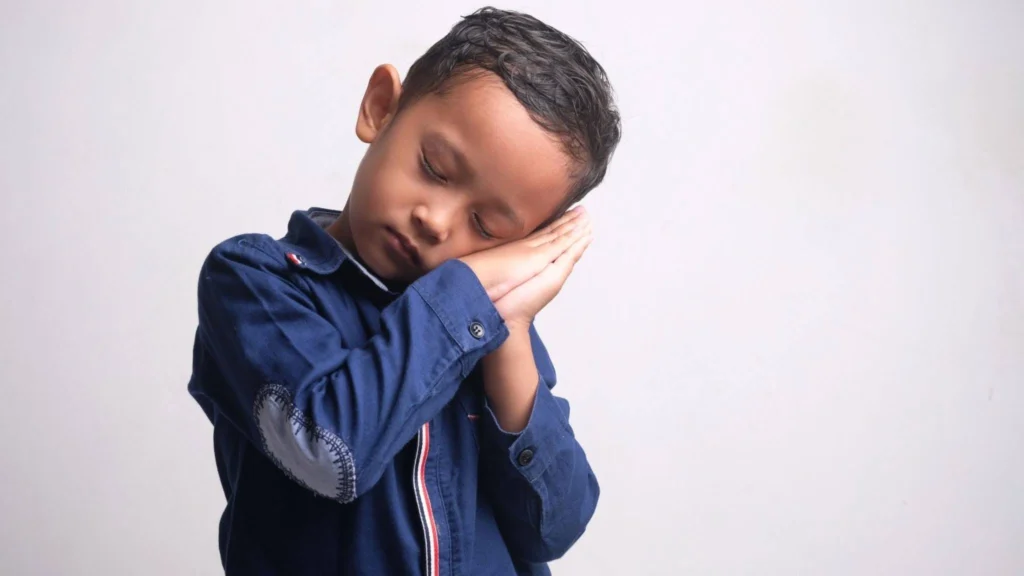
Bedtime Routines for Preschoolers: How Much Sleep They Need and Why It Matters

Ms. Danielle
A preschooler who fights bedtime every night isn’t necessarily testing limits for the fun of it. More often, the fight itself is the clue: an inconsistent bedtime routine for preschoolers makes it harder for a child’s body to know when it’s actually time to wind down.
Sleep needs at this age are higher than most parents expect, and the guidelines are more specific than “just put them to bed earlier.” Here’s what the research actually recommends, and how a consistent routine gets a child there without a nightly battle.
How Much Sleep Does a Preschooler Actually Need?
The American Academy of Sleep Medicine’s guidelines, supported by the AAP, call for preschool-age children to get roughly 10 to 13 hours of sleep in a 24-hour period, counting any naps. Toddlers need slightly more. These numbers reflect total sleep across the full day, so a child still napping needs less overnight sleep to hit the same total.
Falling short of that range regularly isn’t a minor issue. The AAP links insufficient sleep to irritability, difficulty concentrating, and weaker immune function, while children who consistently get enough sleep show better school performance, behavior, memory, and mental health.
Why a Consistent Routine Matters More Than Bedtime Itself
A specific bedtime matters less than a predictable one. The AAP recommends keeping the same wake time, mealtimes, naps, and play times every day, weekdays and weekends alike, because that consistency helps a child feel secure and makes the transition into sleep smoother.
A short, repeatable wind-down sequence — brush, book, bed, in the same order every night — works because it signals to a young child’s brain that sleep is coming next, without needing to be told. The specific steps matter less than always doing them in the same order.
What Actually Gets in the Way of Good Sleep
Screens are one of the biggest disruptors. The AAP recommends keeping all screens out of a child’s bedroom and turning them off at least 60 minutes before bedtime, since screen light and stimulation both interfere with the body’s natural wind-down process.
An overscheduled evening is another common culprit. Late activities, appointments, or a rushed dinner-to-bath-to-bed sprint don’t leave room for the calm transition a young child’s nervous system needs. Building in a slower last hour of the day, even by 15 or 20 minutes, tends to pay off at bedtime.
When to Loop In a Teacher or Pediatrician
A child who’s chronically short on sleep doesn’t always look tired in an obvious way. The AAP notes that poor sleep often shows up as difficulty paying attention or “zoning out” during the day rather than yawning, which is exactly why it’s worth telling a child’s teacher you’d like to know about any reports of sleepiness, focus issues, or behavior changes at school.
If bedtime resistance, frequent night wakings, snoring, or daytime sleepiness persist, that’s a reasonable thing to bring up with a pediatrician rather than wait out.
Rest Is Part of the Routine
Sleep isn’t separate from how a preschooler’s day goes — it’s the foundation underneath it. A child who’s consistently well-rested has an easier time with everything from following classroom routines to managing frustration at drop-off.
If you’re curious how consistency and routine show up during the school day too, schedule a tour of Truth Preschool Academy and ask how naptime and daily rhythm are handled in the classroom.
FAQ
How much sleep does a preschooler need?
Roughly 10 to 13 hours in a 24-hour period, including naps, according to AAP-supported guidelines.
What’s the best bedtime routine for a preschooler?
A short, consistent sequence like brushing teeth, reading a book, then bed, done in the same order every night, works better than any specific bedtime.
Should screens be part of a bedtime routine?
No. The AAP recommends keeping screens out of the bedroom and off for at least 60 minutes before bed.
What if my preschooler resists bedtime every night?
Inconsistent routines are a common cause. If resistance continues despite a consistent routine, or you notice snoring or daytime sleepiness, talk with your pediatrician.
Does napping at school affect nighttime sleep?
It can, but naps count toward the total daily sleep recommendation, so a napping child simply needs less sleep overnight to reach the same 10-to-13-hour range.
- Phone: (909) 704-7575
- Address: 602 N Virginia Ave, Ontario, CA 91764
-
Hours: Mon-Fri: 6am - 6pm
Sat-Sun: Closed - info@truthpreschoolacademy.com
Allow media cookies to view this video or map.
Truth Preschool Academy All Rights Reserved. Privacy Policy
Powered by AMARQUEZ