Get Directions | (909) 704-7575 | Mon-Fri: 6am - 6pm
-
Give us a Call (909) 316-8257
Building Early Literacy at Home: Why Reading Aloud Matters More Than You Think
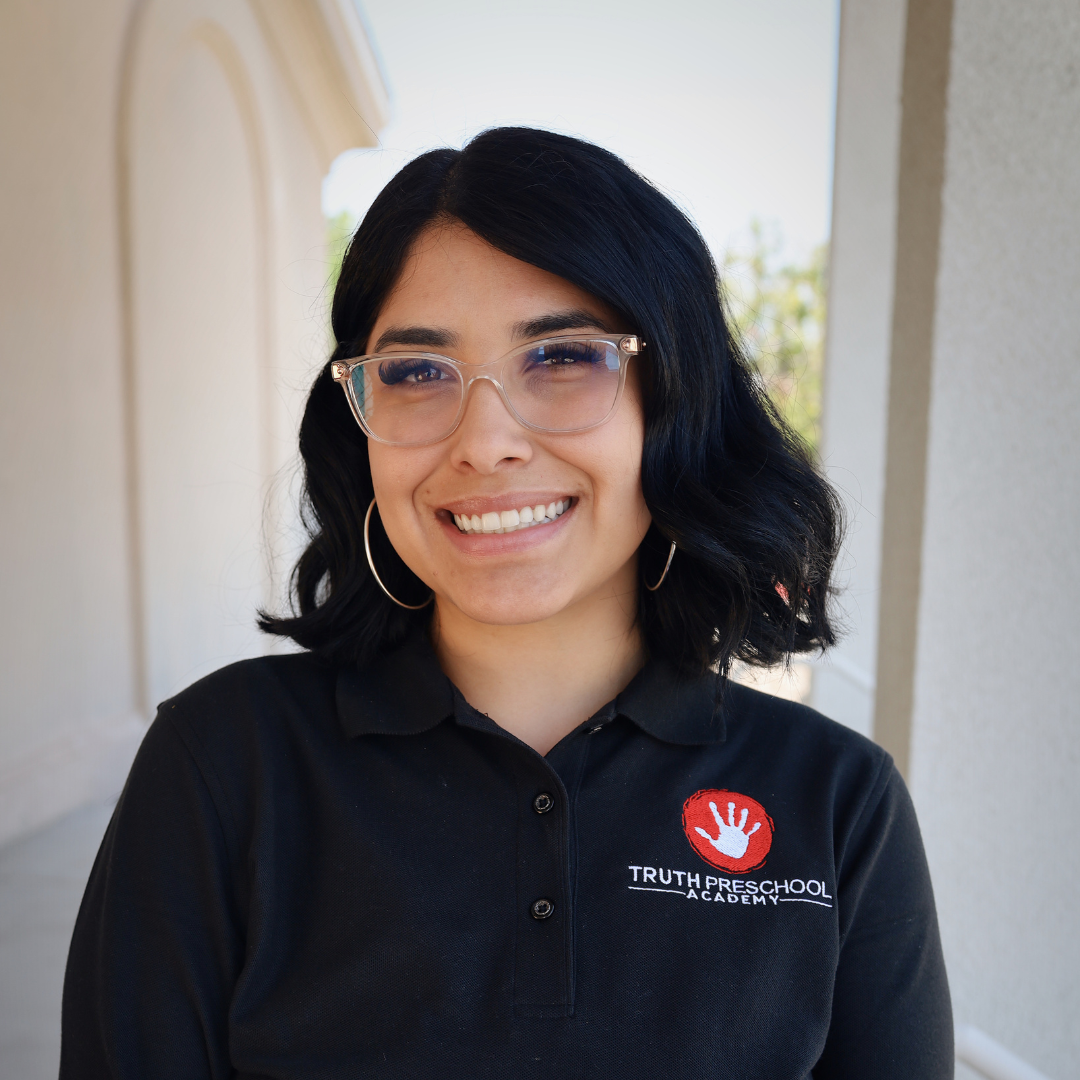
Ms. Danielle
Most parents think of reading as something that starts at school — phonics, sight words, the mechanics of decoding letters. The American Academy of Pediatrics sees it differently: reading aloud at home is common enough at pediatric checkups that many doctors hand out books during well-child visits, right alongside the usual health guidance.
That’s not a small gesture. It reflects how much early literacy at home actually does for a child, long before formal reading instruction ever begins. Here’s what the research says, and how to build it into an ordinary day without it feeling like homework.
Why the AAP Treats This as a Health Recommendation, Not Just an Education Tip
In its policy statement on literacy promotion, the AAP states plainly that reading together with infants and young children strengthens relationships with parents and caregivers at a critical time in development, stimulating brain circuitry and early attachment. Shared reading is described as a foundation for healthy social-emotional, cognitive, language, and literacy development all at once, not literacy alone.
That’s a wide claim, and it’s why pediatricians are specifically encouraged to build reading promotion into primary care rather than leaving it entirely to teachers. The relationship built during reading time is doing real developmental work, not just building vocabulary.
What Reading Aloud Does That a Screen Can’t
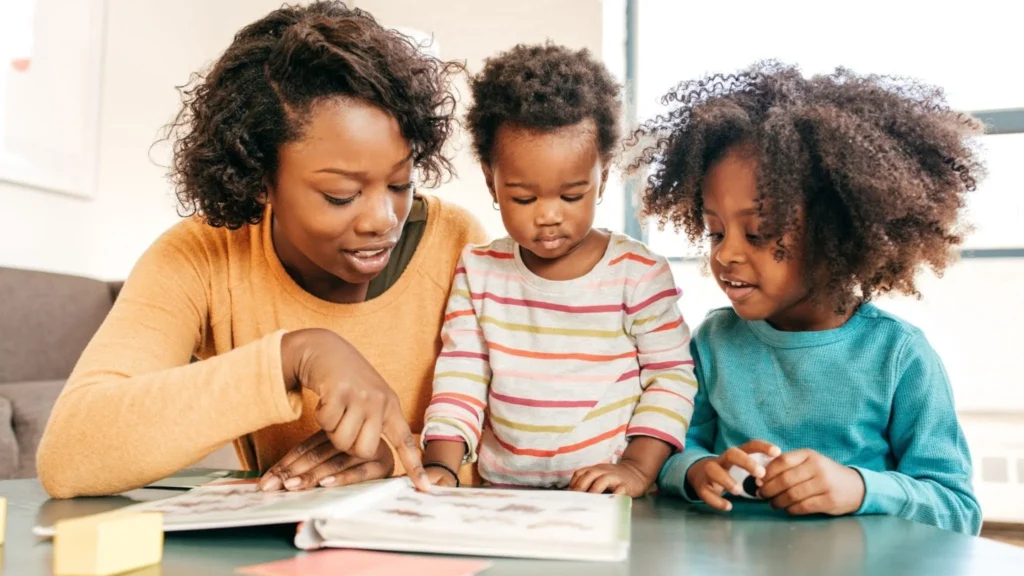
The AAP draws a specific contrast here: touchscreens and other electronic devices tend to be passive or solitary experiences for a young child, while reading together is interactive, tactile, language-rich, and nurturing. The difference isn’t really about screens being “bad” — it’s that shared reading requires back-and-forth engagement a screen doesn’t ask for.
That back-and-forth is where a lot of the benefit actually comes from: a child pointing at a picture, asking a question, or predicting what happens next is doing active cognitive work that passive viewing doesn’t require.
Everyday Ways to Build Literacy Without a Curriculum
Literacy doesn’t require flashcards or a formal lesson. NAEYC points out that children begin their path to reading as babies, simply by hearing and responding to a caregiver’s voice — talking and listening come before reading and writing, not after.
A few of NAEYC’s specific everyday habits make a real difference: expanding on what a child says rather than just replying (“It runned out” becomes “Your marker ran out of ink!”), asking about the best part of the day, playing with rhymes and sounds in ordinary conversation, and keeping a small basket of books within easy reach so a child can explore them independently.
Making Reading Aloud Actually Work Day to Day
Consistency matters more than length. HealthyChildren.org recommends reading with a child every day, even for just a few minutes, and letting the child choose the book — even if that means the same one night after night. Repetition isn’t a sign a child is bored; it’s often a sign they’re building real familiarity and confidence with the story.
Asking questions before, during, and after reading helps a child engage with the ideas in a story rather than just hearing words go by, and it’s fine to stop a book early if interest fades. The goal is building a positive association with reading, not finishing every page.
A Story Every Day
None of this requires special materials or training — just a few consistent minutes and a book a child actually wants to hear again. The relationship built during that time is doing as much developmental work as the words on the page.
If you’d like to see how reading is woven into a typical classroom day, schedule a tour of Truth Preschool Academy and ask about our approach to storytime.
FAQ
Does reading aloud really matter before a child can read on their own?
Yes. The AAP links shared reading to brain development and attachment starting in infancy, well before formal reading skills develop.
How young should I start reading to my child?
The AAP recommends starting in infancy — even newborns benefit from the sound of a caregiver’s voice during reading time.
What if my child wants the same book over and over?
That’s normal and beneficial. Repetition builds familiarity and confidence, according to HealthyChildren.org’s guidance.
Is reading aloud better than educational apps or shows?
For building relationships and interactive engagement, yes. The AAP notes that screens tend to be passive or solitary, while shared reading is interactive and nurturing.
How long should a reading session be?
Even a few minutes a day, done consistently, is more valuable than occasional long sessions.
- Phone: (909) 704-7575
- Address: 602 N Virginia Ave, Ontario, CA 91764
-
Hours: Mon-Fri: 6am - 6pm
Sat-Sun: Closed - info@truthpreschoolacademy.com
Allow media cookies to view this video or map.
Truth Preschool Academy All Rights Reserved. Privacy Policy
Powered by AMARQUEZ