Get Directions | (909) 704-7575 | Mon-Fri: 6am - 6pm
-
Give us a Call (909) 316-8257
Ms. Danielle
Powered by AMARQUEZ
Get Directions | (909) 704-7575 | Mon-Fri: 6am - 6pm
Long before a child holds a pencil correctly, their hands have been quietly practicing for it — stacking blocks, turning book pages, pinching playdough. These small movements aren’t just cute milestones. They’re the direct groundwork for writing.
Here’s what fine motor development typically looks like by age, and which everyday activities actually build the skills that matter.
By age 2, most children can hold an object in one hand while manipulating something else with the other — unscrewing a lid, for example — and can figure out how switches and buttons work, according to the CDC. These are the building blocks of the hand control needed later for writing.
By age 3, most children can draw a circle when shown how, according to the CDC, which reflects real progress in hand-eye coordination and the ability to control a drawing tool with purpose rather than just scribbling.
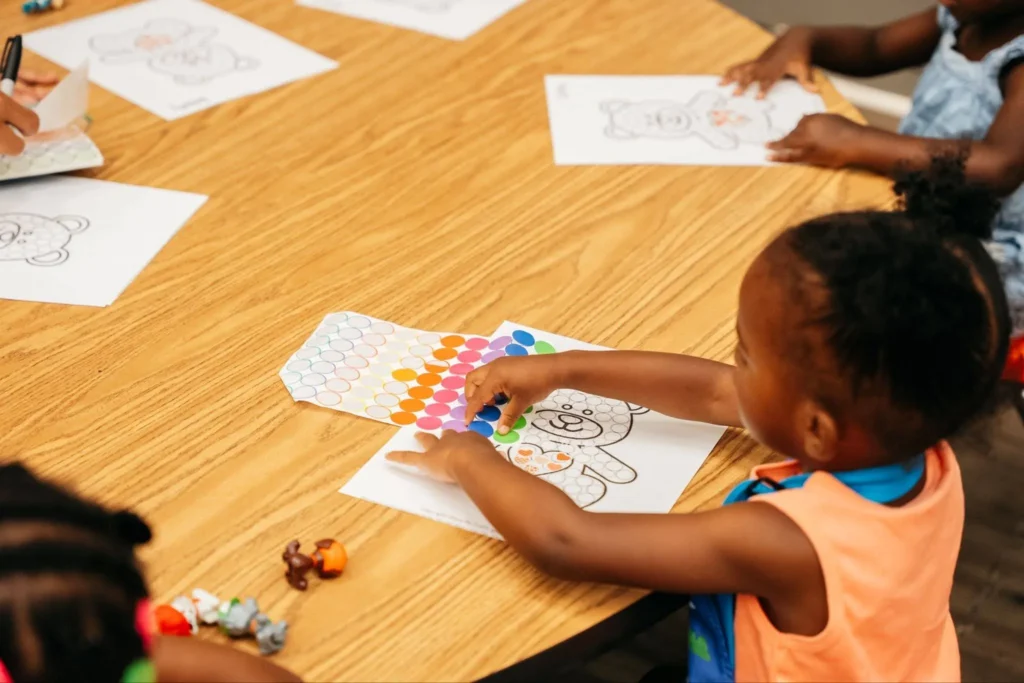
Formal handwriting practice isn’t actually where fine motor strength comes from at this age. The CDC points to activities like using safety scissors and helping with dressing and undressing as developmentally appropriate ways preschoolers build hand strength and coordination through ordinary daily tasks.
Everyday moments do more of this work than most parents realize: buttoning a shirt, pouring water from a small pitcher, using tongs to move objects, stringing beads, or squeezing a clothespin all strengthen the same small muscles a pencil grip depends on later.
A child who struggles to hold a pencil correctly often isn’t struggling with letters — they’re missing the underlying hand strength and coordination that makes a stable grip possible in the first place. Pushing handwriting practice before that foundation is in place tends to build frustration rather than skill.
Play-based activities that build grip strength and coordination — squeezing, pinching, twisting — do more long-term good than repetitive tracing exercises, especially before age 4.
Most fine motor development happens on a wide, normal range, and comparison to other children isn’t a useful measure. That said, if a child consistently avoids activities like drawing, cutting, or manipulating small objects, or seems to struggle noticeably more than peers with these tasks well past the typical age range, it’s worth mentioning to a teacher or pediatrician rather than assuming it will resolve on its own.
Fine motor skills build quietly, through ordinary play rather than formal instruction. The blocks, playdough, and dress-up clothes doing the real work of preparing a child’s hands for a pencil later on.
If you’d like to see how fine motor activities are built into daily classroom time, schedule a tour of Truth Preschool Academy.
Most 2-year-olds can hold an object in one hand while using the other, and can figure out switches and buttons on toys.
Most 3-year-olds can draw a circle when shown how, reflecting developing hand-eye coordination.
Using safety scissors, buttoning clothes, stringing beads, using tongs, and playing with playdough all build the hand strength needed later for writing.
Play-based hand-strengthening activities are generally more effective than early handwriting drills, especially before age 4.
If a child consistently avoids fine motor tasks or struggles noticeably more than peers well past the typical age range, mention it to a teacher or pediatrician.
Allow media cookies to view this video or map.
Truth Preschool Academy All Rights Reserved. Privacy Policy
Powered by AMARQUEZ
Hi, my name is Andrea and I assist with the Two and Three old class with Ms. Michelle and Ms. Claudia. I recently graduated from Chaffey College with an Associates of Early Childhood Education. I have worked with children for the past twenty years from ages three to eighteen years old working with a Tiny Tot Program and Teen Action Committee for The City of Ontario and working with Alta Loma School District after school program. I have found my love for preschoolers, and I am interested in pursuing my bachelor’s degree working with children with autism spectrum disorders.
Truth Preschool Academy has been a blessing to me to work with all your children daily.
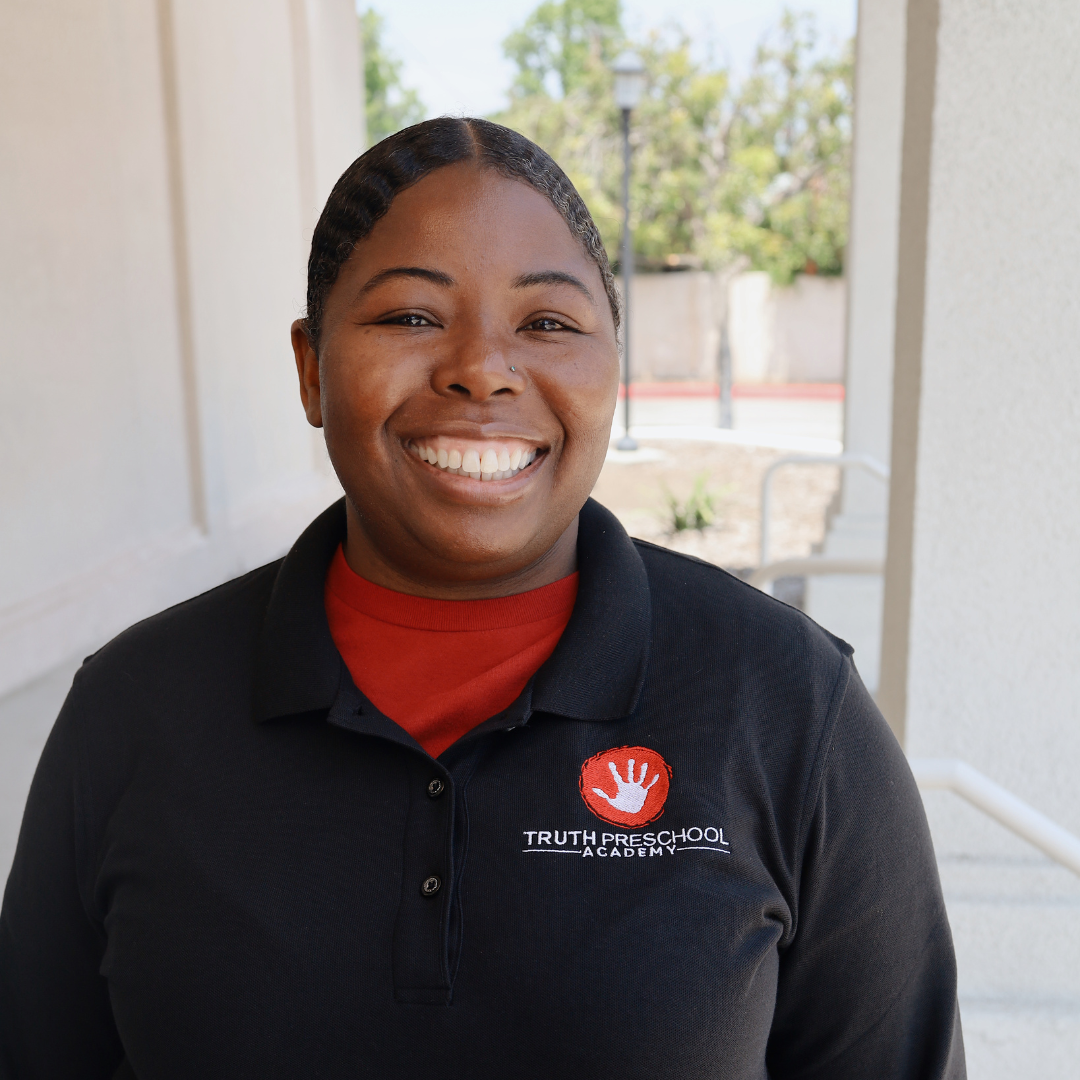
Hi, my name is Tanisha, I am the teacher for the pre-kindergarten class. I have been teaching at Truth Preschool Academy for 4 years now. However, I have worked in a few centers for the past 20 years. I have worked with children aged two through four. Teaching children is an adventure. Some days I am the teacher and other days I am the student. My interests include meditation, cooking and reading which I often incorporate into my classroom setting.
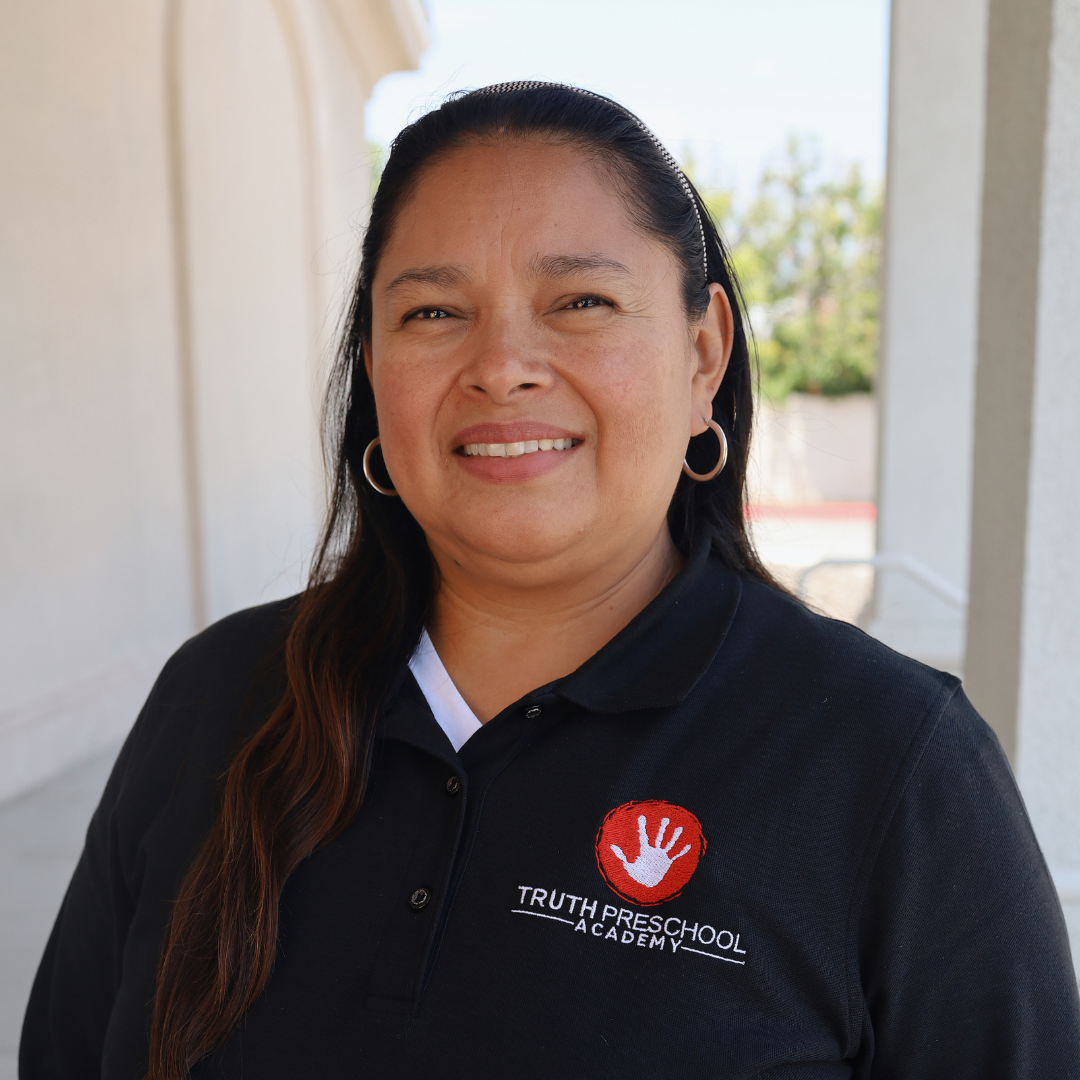
Hi, my name is Claudia, I am incredibly excited to be a part of the TPA team. I have been working at TPA for 3 years. I hope to inspire my class just like they inspire me every day. My native country is El Salvador, and my first language is Spanish. I am happily married and blessed with three wonderful children. I started working with children as a volunteer at different preschools, and since then I knew I wanted to be around children to help them grow. I grew up in LA where I attended school and took early child development classes to be able to work in this field. I have been working with children ages 2-5 for about 17 years and I am still excited to work with them and help them grow in their own unique way.
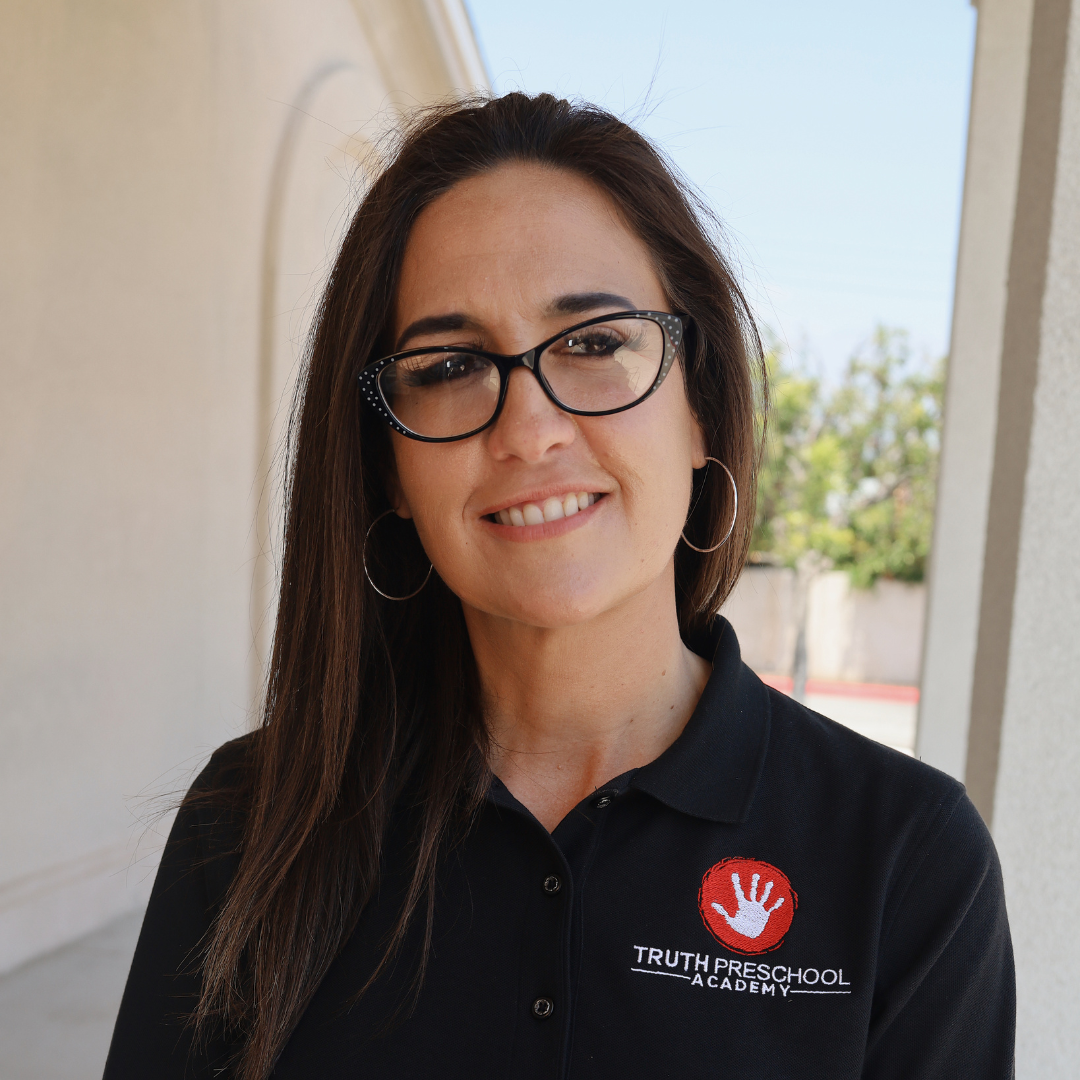
Hi, my name is Patty and I have been a part of the TPA team for 2 ½ years now. I have worked specifically in early childhood education for the last 6 years and have taught after school etiquette classes. I have also enjoyed being involved in many summer camp programs with children of all ages for the last 20 years. I truly love working with children and I am thankful for every opportunity I get to make an impact in each of my students’ lives. I have three children of my own and in our free time we love all things outdoors including hiking and pickle ball!
I believe every child has their own unique way of learning and that teaching is something that is done in all capacities throughout the day in both academic settings as well as through interactive play. I am so grateful to be able to love what I do and help make even a small difference in our future generation.
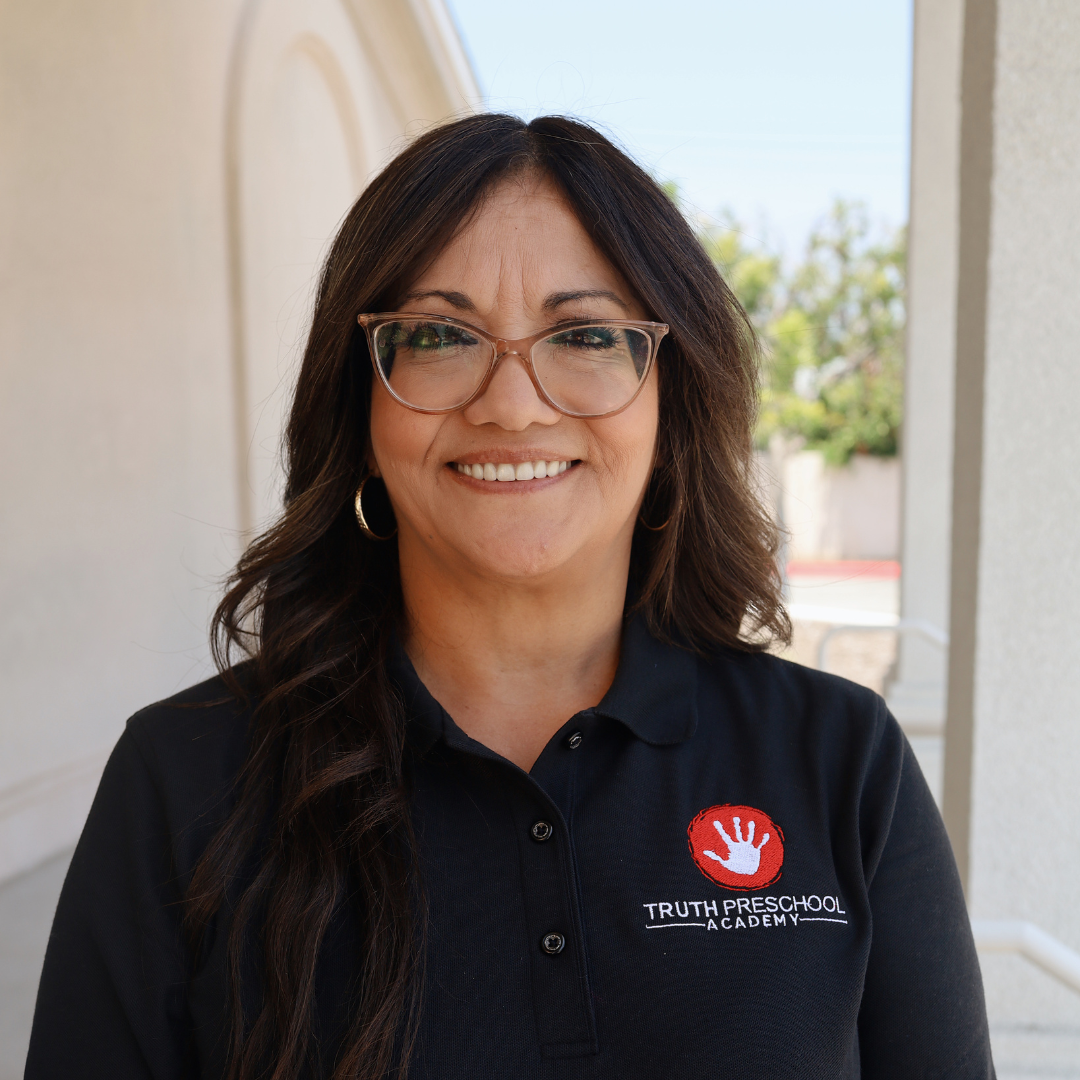
Hi, my name is Michelle, I am very excited to be a part of Truth Preschool Academy as the Toddler Program teacher. I have a passion for nurturing young minds and helping them grow! I have 15 years of experience working with children of various age groups. My teaching approach is centered around play based learning, as children learn best when they are engaged in something of interest to them. My goal is to create a warm and loving environment for all children who enter our doors here at TPA. I am excited to be a part of your child’s academic journey.
Hi, my name is Danielle, and I am pleased to be a part of Truth Preschool Academy as the Director. My top priority is ensuring that our philosophy is conveyed into our everyday operations working with the children that walk through our doors. I am a huge believer in being a hands-on director so at many times you will find me in a classroom working alongside our staff or you may find me at my desk completing administrative work. My interest in working with children began at an early age during my teen years. When I graduated high school, I immediately started my journey pursuing my degree in child development. I have been in the field for about 8 years now, I started off with babysitting and soon after I began teaching at my first school as a three-year-old teacher. After leaving my hometown in Torrance, CA I began as an infant teacher and worked my way into the assistant director role which then led me to my director position here at Truth Preschool Academy.
In my free time I love spending time with my family. I have a three-year-old son who loves to be active outside. We often go to new parks or experience new outdoor adventures. I look forward to working with you and your family here at TPA!
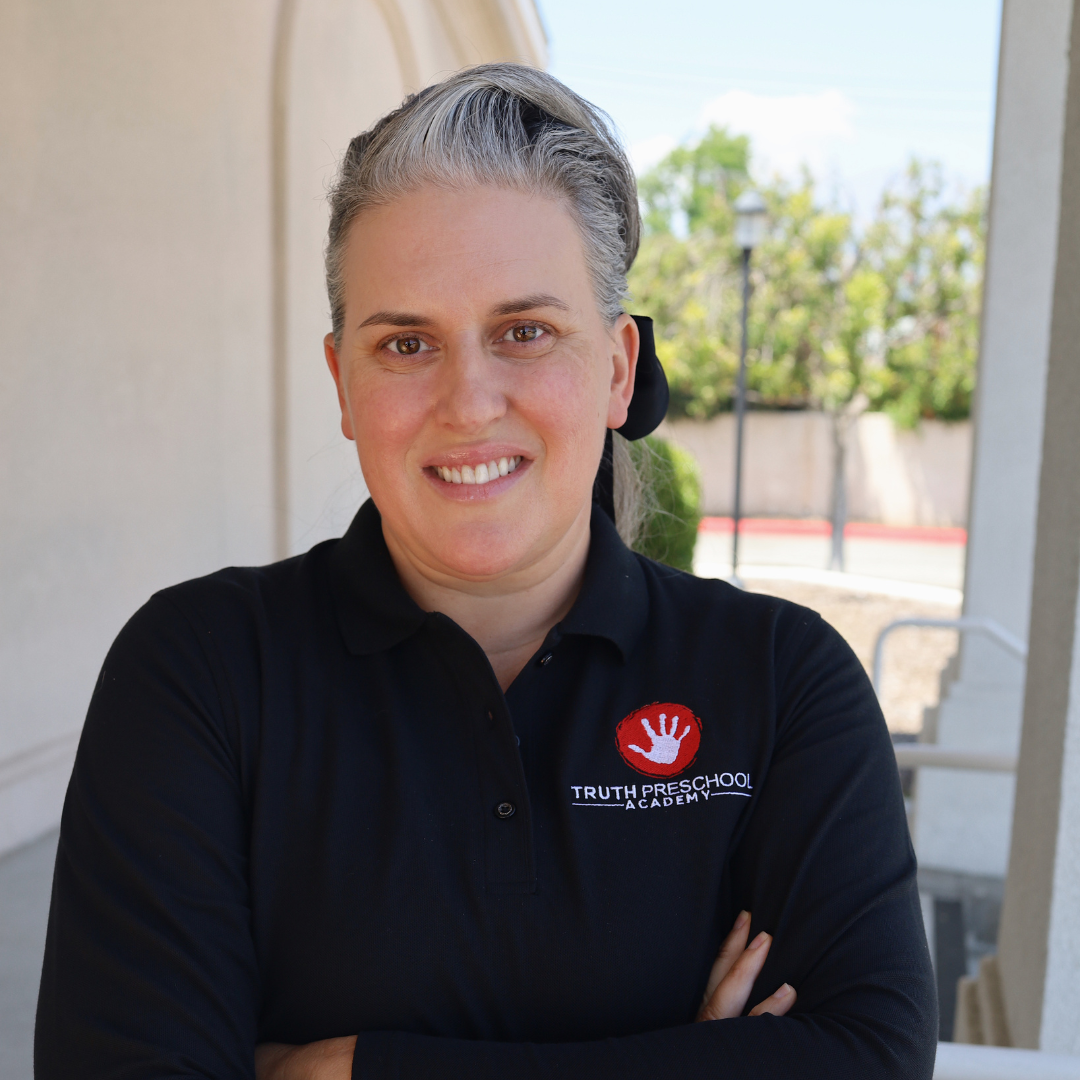
Welcome to Truth Preschool Academy! My name is Kristy Rowell, and I am honored to serve as the Administrator here. From a young age, I have always had a special connection with children and a deep love for working with them, nurtured through my involvement in church activities like Sunday school and directing the children’s choir. Inspired by my passion for creating a safe and loving learning environment, I pursued the necessary certifications and coursework to start a preschool. In October 2019, after becoming licensed with the state of California, we proudly opened the doors of Truth Preschool Academy, a dream realized with the unwavering support of Truth Church of Southern California and Pastor Clifford Clark.
At Truth Preschool Academy, our mission is to foster a love for learning in every child. As the Administrator, I am dedicated to selecting only the most caring and qualified staff to ensure your child’s well-being and education are our top priorities. We understand there are many choices in early childhood education, but at TPA, you can rest assured that your child is in good hands. We can’t wait to meet you and your family and welcome you to our community!