Get Directions | (909) 704-7575 | Mon-Fri: 6am - 6pm
-
Give us a Call (909) 316-8257
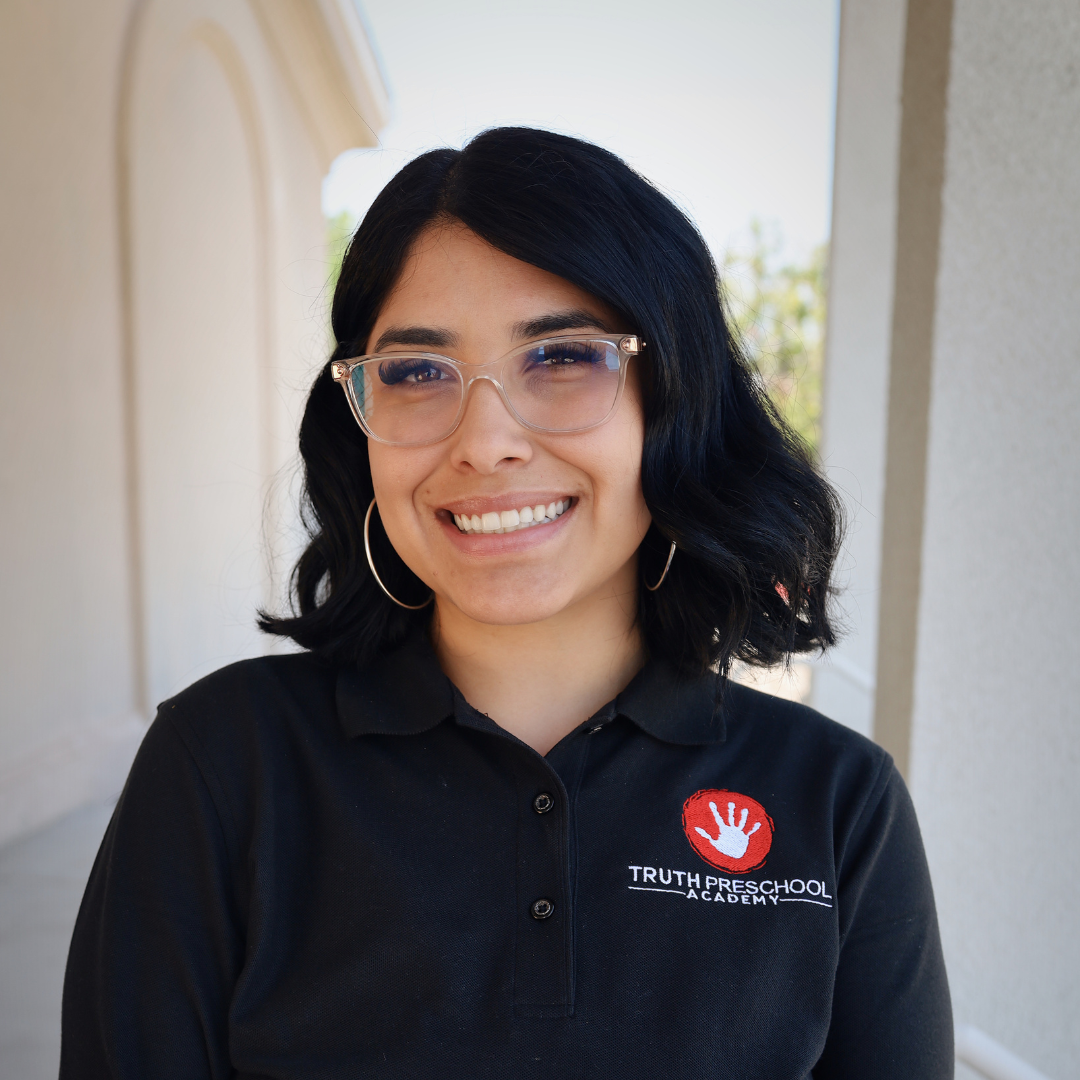
Ms. Danielle
Powered by AMARQUEZ
Get Directions | (909) 704-7575 | Mon-Fri: 6am - 6pm
More flashcards, more structured lessons, more academic drilling — it’s a tempting formula for parents worried about kindergarten readiness. The research on early childhood development actually points somewhere else.
Here’s what a major AAP clinical report says about the balance between structured learning and free play, and why the two aren’t actually in competition.
A landmark AAP clinical report points to a real shift over the past two decades: growing pressure for early academic results has pushed many preschool programs toward more structured, didactic activities and away from the kind of playful learning younger children actually need.
The report is direct about the stakes: unstructured play isn’t frivolous. It’s brain-building. Pediatricians are now encouraged to actively advocate for protecting children’s unstructured play time as part of healthy development, not as a lesser alternative to “real” learning.
Explicit instruction has a real cost the AAP report identifies directly: it limits a child’s creativity. Children learn a great deal simply by observing and actively engaging with their environment, and heavy-handed direct instruction crowds out that kind of discovery-based learning.
The report specifically calls out an overemphasis on reciting the alphabet, early literacy drilling, flash cards, and teaching to tests as approaches that are less effective for long-term academic success than cultivating genuine joy in learning through play.
Play is described in the report as a fundamentally social activity that fuels language development and executive functioning — skills like planning, self-control, and flexible thinking. Children playing with toys act like little scientists, learning through looking, listening, and experimenting rather than through direct instruction.
This isn’t an argument against any structure at all. The report acknowledges that some adult scaffolding matters too, describing a “serve-and-return” style of engagement where a caregiver responds to a child’s cues rather than directing the activity outright.
The right mix of structured and unstructured time varies by family and by child — there’s no single universal ratio. What matters more is making sure genuine, child-directed play has real protected time in the day, rather than being squeezed into leftover minutes after every structured activity is done.
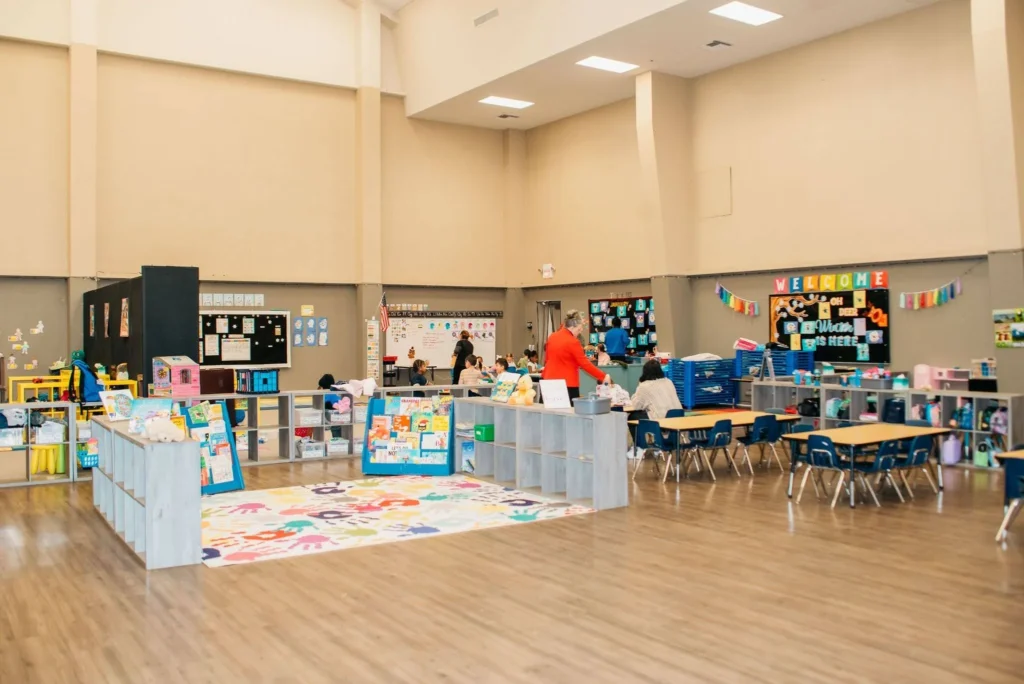
A preschool classroom that blends both — some guided small-group learning alongside real stretches of open-ended, child-led play — reflects what the research actually supports, rather than treating the two as opposing philosophies.
Structured learning and unstructured play aren’t competing priorities — they do different kinds of developmental work, and preschoolers need both. The AAP’s own guidance is a reminder that protecting real play time isn’t a lesser choice; it’s a research-backed one.
If you’d like to see how structured learning and free play are balanced in a real classroom, schedule a tour of Truth Preschool Academy.
It’s developmentally important. The AAP describes unstructured play as “brain-building,” supporting language, creativity, and executive functioning.
The AAP notes that heavy emphasis on early academic drilling, like flash cards and reciting letters, is less effective for long-term success than play-based learning.
Yes. The AAP describes a healthy balance, including adult-supported “serve-and-return” engagement alongside protected unstructured play time.
Language development, executive functioning skills like self-control and planning, and creativity through observation and active engagement.
There’s no single universal ratio, but the AAP emphasizes that genuine, protected play time matters and shouldn’t be squeezed into leftover minutes.
Allow media cookies to view this video or map.
Truth Preschool Academy All Rights Reserved. Privacy Policy
Powered by AMARQUEZ
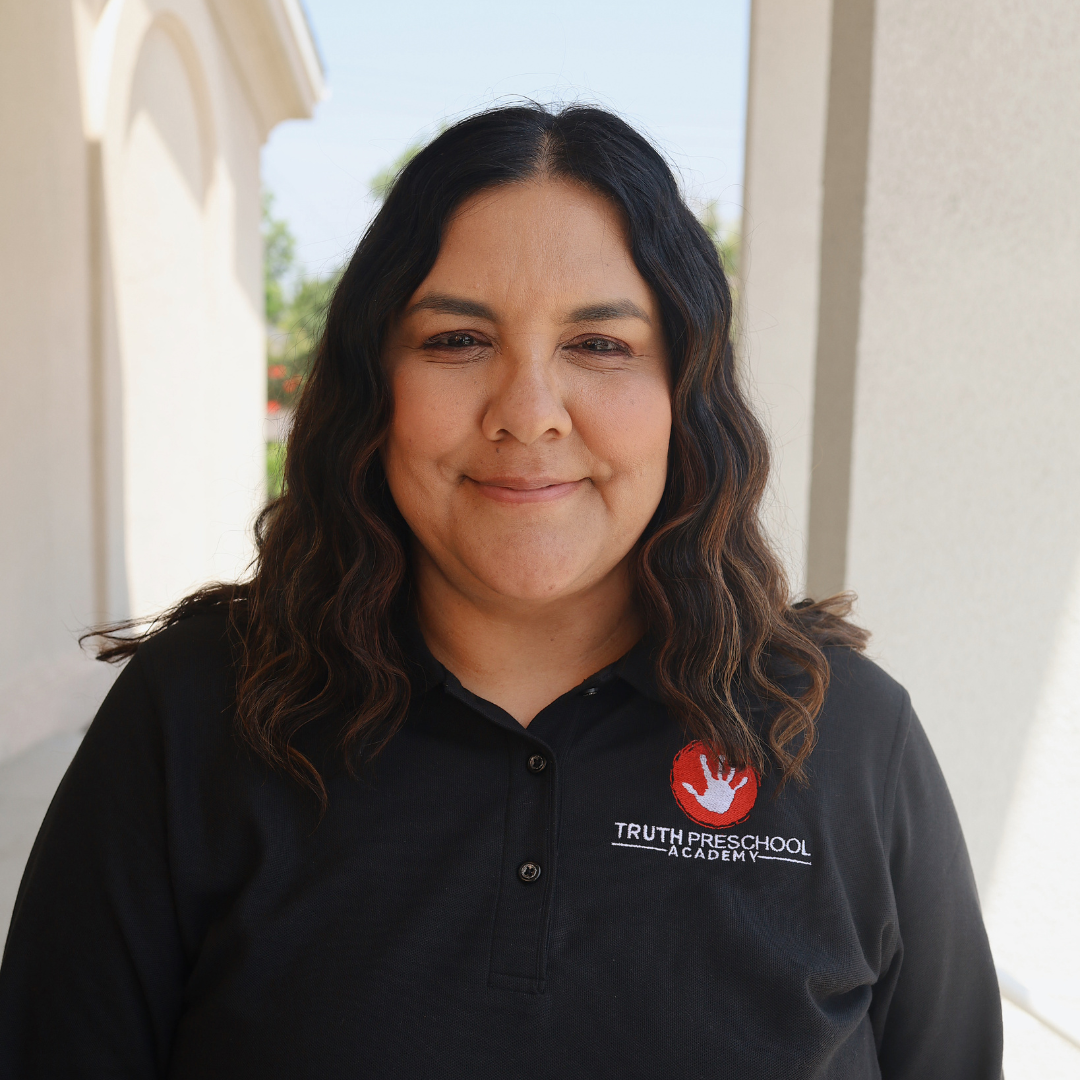
Hi, my name is Andrea and I assist with the Two and Three old class with Ms. Michelle and Ms. Claudia. I recently graduated from Chaffey College with an Associates of Early Childhood Education. I have worked with children for the past twenty years from ages three to eighteen years old working with a Tiny Tot Program and Teen Action Committee for The City of Ontario and working with Alta Loma School District after school program. I have found my love for preschoolers, and I am interested in pursuing my bachelor’s degree working with children with autism spectrum disorders.
Truth Preschool Academy has been a blessing to me to work with all your children daily.
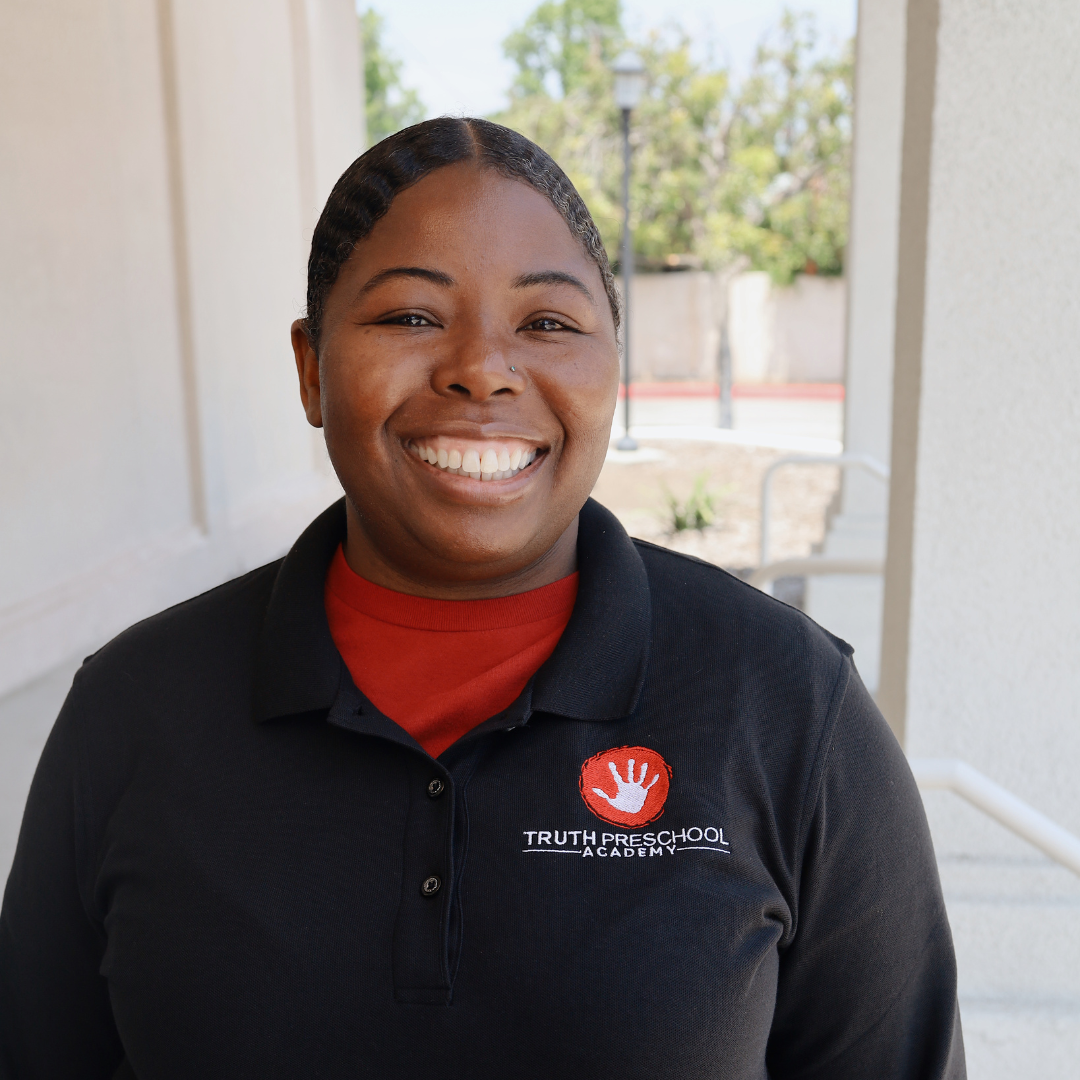
Hi, my name is Tanisha, I am the teacher for the pre-kindergarten class. I have been teaching at Truth Preschool Academy for 4 years now. However, I have worked in a few centers for the past 20 years. I have worked with children aged two through four. Teaching children is an adventure. Some days I am the teacher and other days I am the student. My interests include meditation, cooking and reading which I often incorporate into my classroom setting.
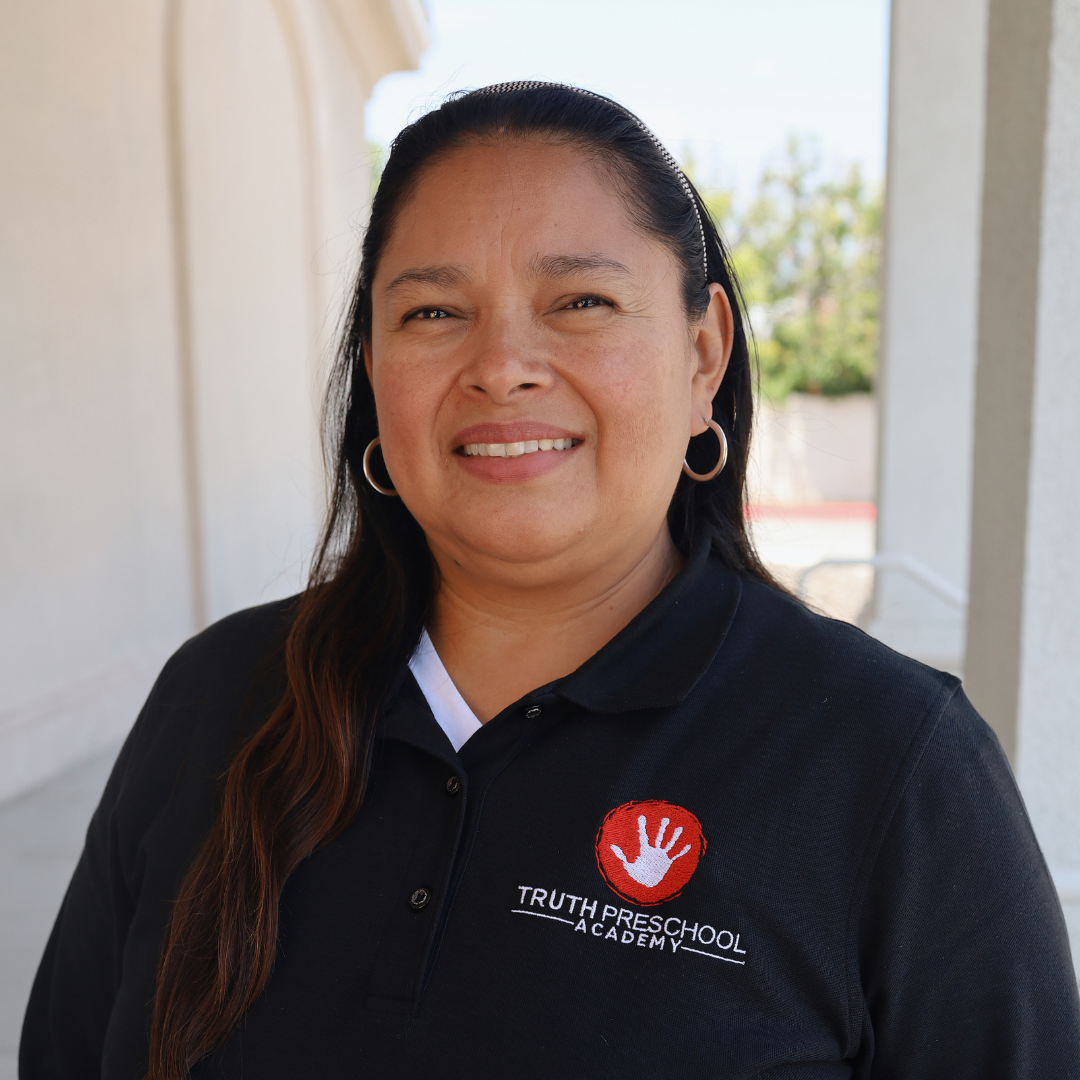
Hi, my name is Claudia, I am incredibly excited to be a part of the TPA team. I have been working at TPA for 3 years. I hope to inspire my class just like they inspire me every day. My native country is El Salvador, and my first language is Spanish. I am happily married and blessed with three wonderful children. I started working with children as a volunteer at different preschools, and since then I knew I wanted to be around children to help them grow. I grew up in LA where I attended school and took early child development classes to be able to work in this field. I have been working with children ages 2-5 for about 17 years and I am still excited to work with them and help them grow in their own unique way.
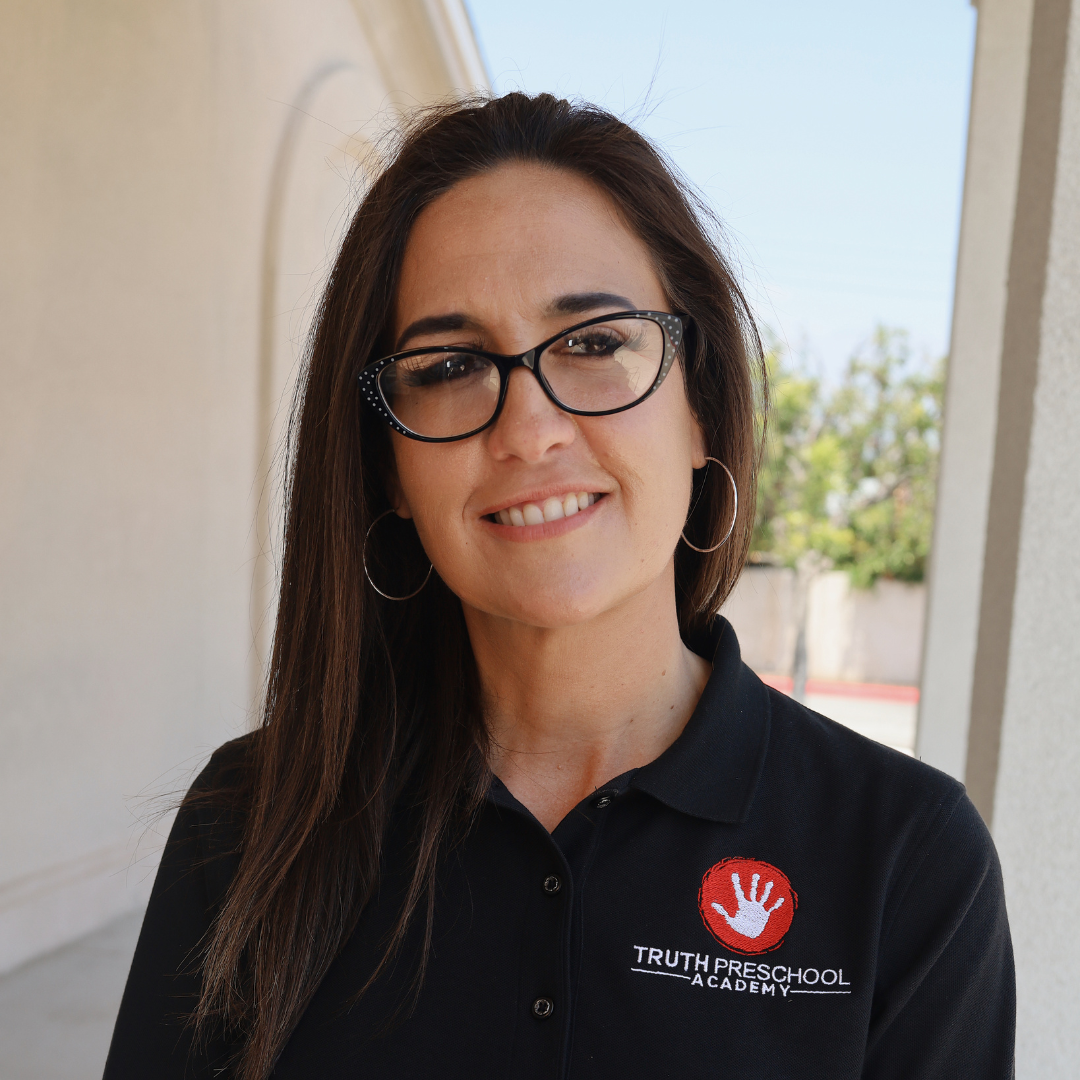
Hi, my name is Patty and I have been a part of the TPA team for 2 ½ years now. I have worked specifically in early childhood education for the last 6 years and have taught after school etiquette classes. I have also enjoyed being involved in many summer camp programs with children of all ages for the last 20 years. I truly love working with children and I am thankful for every opportunity I get to make an impact in each of my students’ lives. I have three children of my own and in our free time we love all things outdoors including hiking and pickle ball!
I believe every child has their own unique way of learning and that teaching is something that is done in all capacities throughout the day in both academic settings as well as through interactive play. I am so grateful to be able to love what I do and help make even a small difference in our future generation.
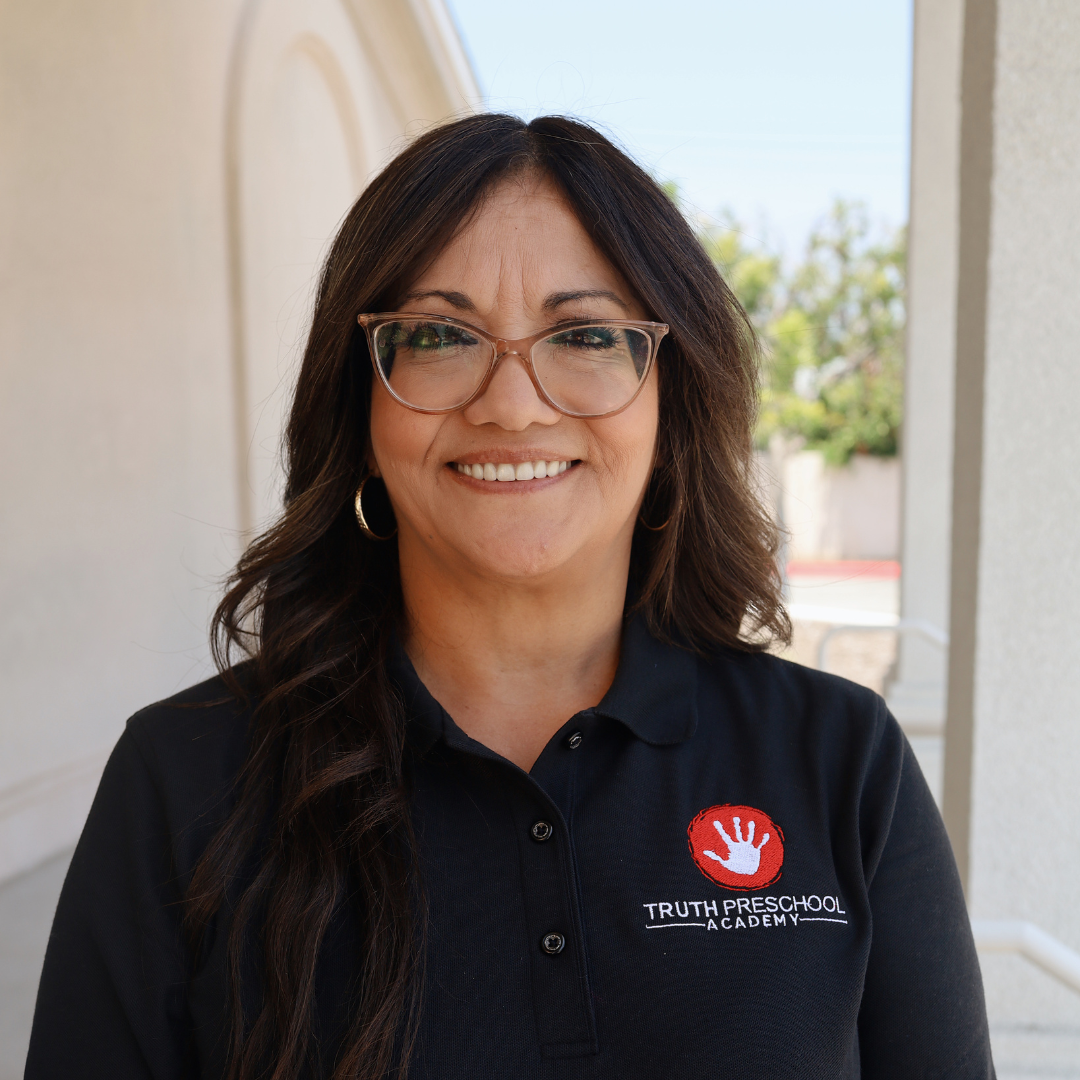
Hi, my name is Michelle, I am very excited to be a part of Truth Preschool Academy as the Toddler Program teacher. I have a passion for nurturing young minds and helping them grow! I have 15 years of experience working with children of various age groups. My teaching approach is centered around play based learning, as children learn best when they are engaged in something of interest to them. My goal is to create a warm and loving environment for all children who enter our doors here at TPA. I am excited to be a part of your child’s academic journey.
Hi, my name is Danielle, and I am pleased to be a part of Truth Preschool Academy as the Director. My top priority is ensuring that our philosophy is conveyed into our everyday operations working with the children that walk through our doors. I am a huge believer in being a hands-on director so at many times you will find me in a classroom working alongside our staff or you may find me at my desk completing administrative work. My interest in working with children began at an early age during my teen years. When I graduated high school, I immediately started my journey pursuing my degree in child development. I have been in the field for about 8 years now, I started off with babysitting and soon after I began teaching at my first school as a three-year-old teacher. After leaving my hometown in Torrance, CA I began as an infant teacher and worked my way into the assistant director role which then led me to my director position here at Truth Preschool Academy.
In my free time I love spending time with my family. I have a three-year-old son who loves to be active outside. We often go to new parks or experience new outdoor adventures. I look forward to working with you and your family here at TPA!
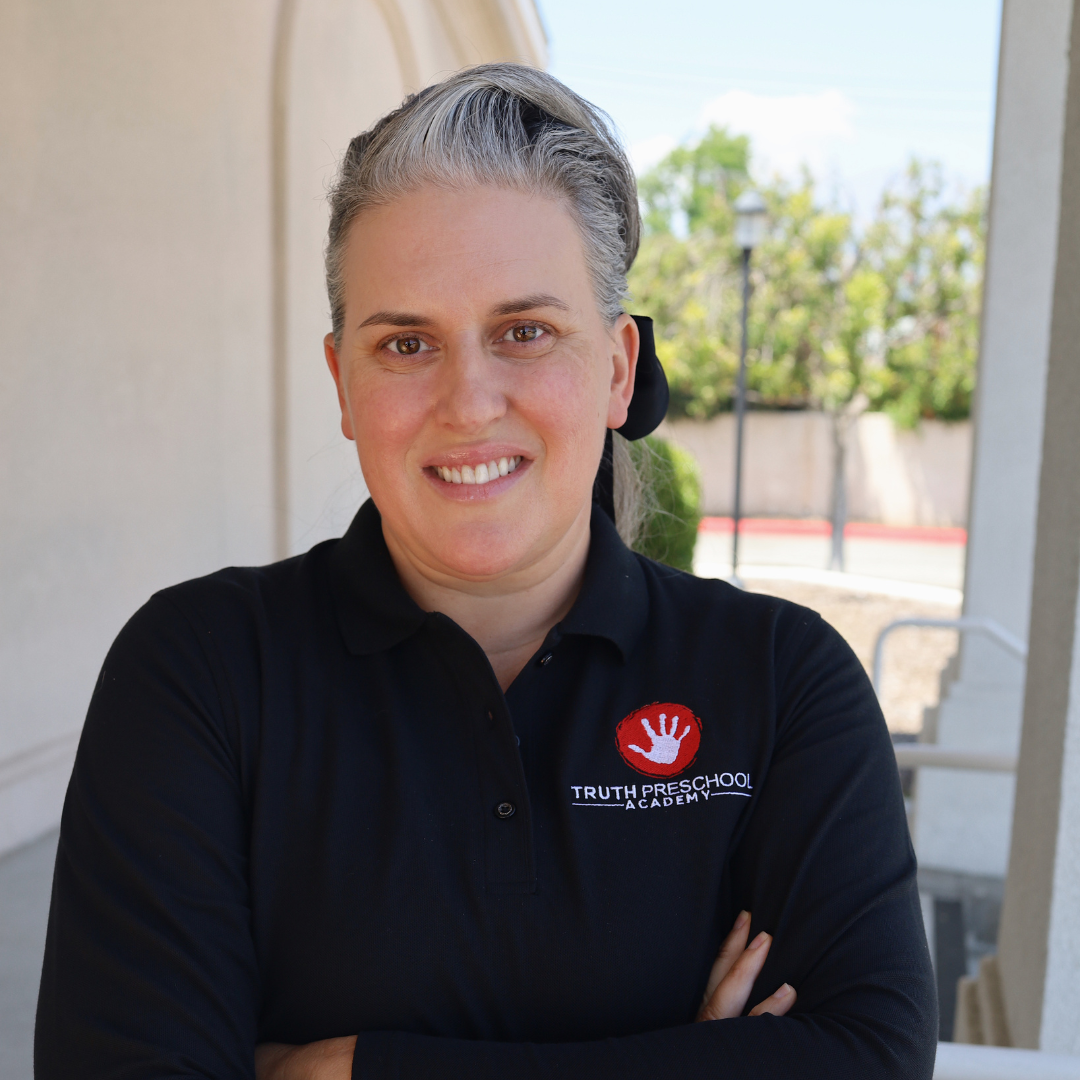
Welcome to Truth Preschool Academy! My name is Kristy Rowell, and I am honored to serve as the Administrator here. From a young age, I have always had a special connection with children and a deep love for working with them, nurtured through my involvement in church activities like Sunday school and directing the children’s choir. Inspired by my passion for creating a safe and loving learning environment, I pursued the necessary certifications and coursework to start a preschool. In October 2019, after becoming licensed with the state of California, we proudly opened the doors of Truth Preschool Academy, a dream realized with the unwavering support of Truth Church of Southern California and Pastor Clifford Clark.
At Truth Preschool Academy, our mission is to foster a love for learning in every child. As the Administrator, I am dedicated to selecting only the most caring and qualified staff to ensure your child’s well-being and education are our top priorities. We understand there are many choices in early childhood education, but at TPA, you can rest assured that your child is in good hands. We can’t wait to meet you and your family and welcome you to our community!