Get Directions | (909) 704-7575 | Mon-Fri: 6am - 6pm
-
Give us a Call (909) 316-8257

The Difference Between Preschool and Childcare: A Parent’s Guide to Making the Right Choice
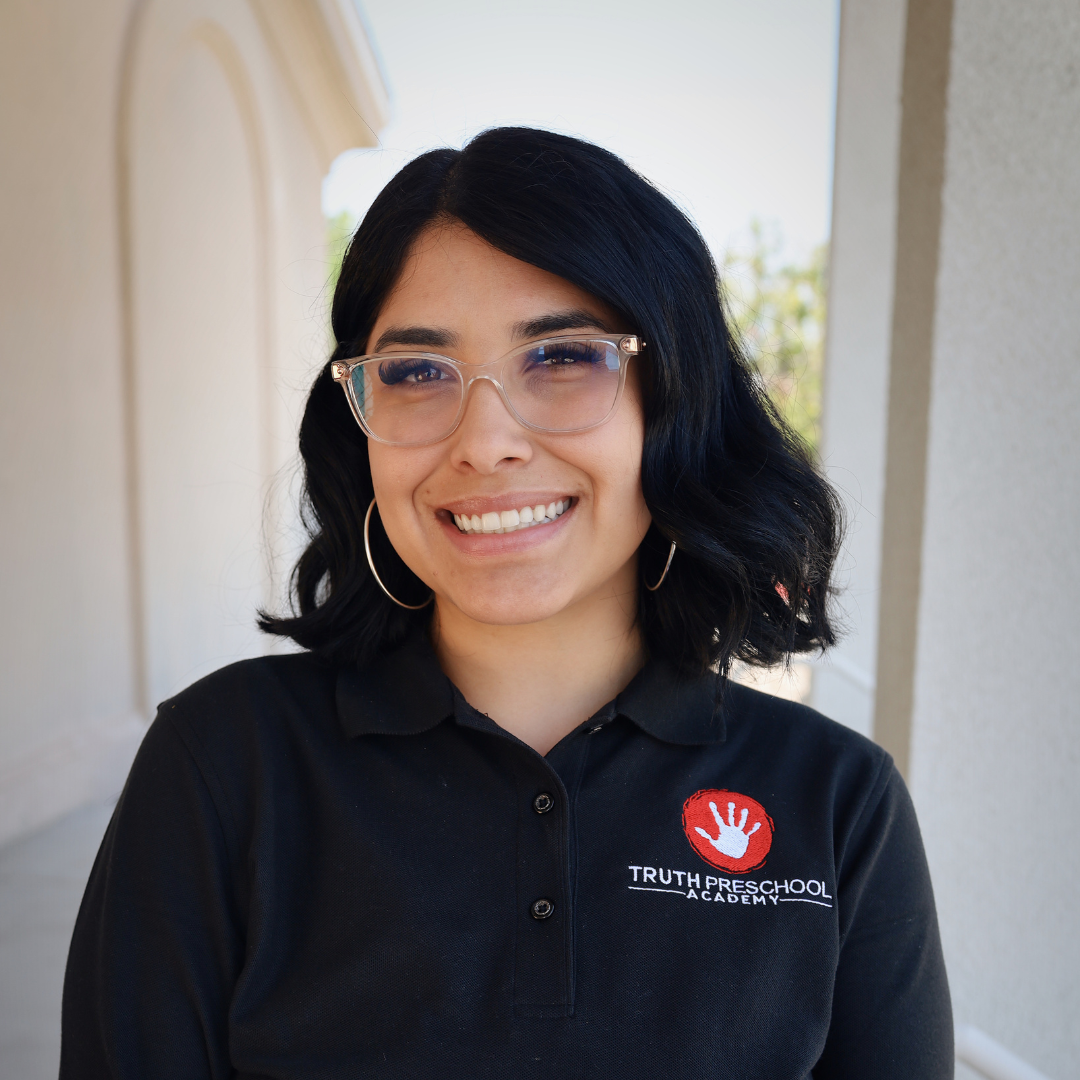
Ms. Danielle
Choosing where your child will spend their early years is one of the most important decisions you’ll make as a parent. When you search for care options, you’ll encounter terms like “preschool,” “childcare,” “daycare,” and “kindergarten”—but what do these really mean, and how do they differ?
The core difference is purpose. Childcare facilities primarily provide supervision and basic care while parents work. Preschools offer structured early education designed to prepare children for kindergarten and beyond. Understanding this distinction helps you find the environment where your child will truly thrive.
What Is Childcare (Daycare) Exactly?
Childcare (often called daycare) focuses on meeting children’s basic needs while parents work. These facilities provide a safe environment where children receive supervision, meals, and opportunities for play.
Primary Functions of Childcare:
- Extended operating hours (often 6am-6pm) to accommodate working parents.
- Supervision and safety for infants through school-age children.
- Basic daily routines including meals, naps, and free play.
- Mixed-age groupings with flexible scheduling.
According to Census Bureau data frequently cited by the National Association of Child Care Resource & Referral Agencies, 61% of children under age five were in some form of regular childcare during a typical week in spring 2011. These arrangements, which averaged 33 hours per week, underscore the essential role childcare facilities play in supporting working families who depend on reliable, consistent care.
Childcare centers must meet state licensing requirements for safety, staff-to-child ratios, and facility standards. However, educational curriculum requirements are minimal or nonexistent in most states. Staff qualifications typically require a high school diploma and background checks, though requirements vary by state.
What Makes Preschool Different from Daycare?
Preschools operate as early educational institutions specifically designed for children ages 2-5. Their primary purpose is preparing children for kindergarten through structured learning experiences that develop academic, social, and emotional skills.
Core Elements of Preschool Programs:
- Age-specific curriculum aligned with early learning standards.
- Intentional teaching of pre-literacy, math concepts, and social skills.
- Credentialed teachers with early childhood education training.
- Structured daily schedules balancing learning and play.
- Regular developmental assessments and parent communication.
Preschools typically operate on school-year calendars with limited hours (often 9am-3pm), though some offer extended care options. Teacher qualifications are more rigorous, often requiring associate’s or bachelor’s degrees in early childhood education.
Will Daycare Prepare My Child for Kindergarten?
Kindergarten represents formal schooling and differs significantly from both childcare and preschool. Understanding this progression helps you prepare your child appropriately.
Kindergarten Characteristics:
- Part of the public or private school system.
- Required in 19 states and Washington, D.C.
- Focuses on academic foundations in reading, writing, and mathematics.
- Follows strict educational standards and assessments.
- Teachers hold teaching certifications and education degrees.
Kindergarten attendance in the United States is nearly universal, with 98% of children enrolled before first grade. However, children enter kindergarten with widely varying levels of school readiness, influenced by prior experiences, early learning opportunities, and family and community factors
Children transitioning from preschool programs demonstrate 40% better adjustment to kindergarten routines compared to those coming directly from informal childcare, according to a longitudinal study by the University of North Carolina’s FPG Child Development Institute.
What Skills Does Kindergarten Actually Expect?
The gap between daycare and kindergarten can be significant. Kindergarten requires children to follow multi-step directions, recognize letters and numbers, work independently for short periods, and manage their emotions in a structured setting.
Children who have only attended daycare may struggle with these expectations, not because daycare is inadequate, but because it is designed primarily for care rather than academic preparation.
Key Transitional Skills Kindergarten Requires:
- Following classroom routines and directions.
- Basic self-help skills (toileting, hand washing, managing belongings).
- Social skills like sharing, taking turns, and cooperative play.
- Pre-literacy awareness, including letter recognition and phonological awareness.
- Fine motor skills for writing and cutting.
- Attention span for structured activities (15-20 minutes).
Are Preschool Teachers More Qualified Than Daycare Workers?
The expertise of caregivers and teachers represents one of the most significant differences between childcare and preschool settings.
Childcare Staff Requirements:
Most states require childcare workers to have a high school diploma or equivalent, complete basic health and safety training, and pass background checks. Ongoing professional development requirements range from 10 to 20 hours annually, focusing primarily on safety protocols.
Preschool Teacher Requirements:
Quality preschools employ teachers with specialized training. According to the Bureau of Labor Statistics, preschool teachers increasingly hold associate’s or bachelor’s degrees in early childhood education. Many states now require the Child Development Associate (CDA) credential at minimum, which involves 120 hours of formal training and a competency assessment.
What Does My Child Actually Do All Day?
How children spend their day reveals fundamental differences between these settings.
Typical Childcare Daily Structure:
Childcare centers follow flexible routines focused on children’s basic needs. Daily activities include free play, meals, rest, and outdoor time. Some enrichment may be offered, but learning isn’t systematically planned or assessed. The focus is on safety, care, and social engagement rather than specific educational outcomes.
Typical Preschool Daily Structure:
Preschools follow structured schedules designed for learning. The day includes group lessons, hands-on centers, outdoor play, and activities that build independence. Teachers guide play and projects to support language, social skills, fine motor development, and problem-solving, with each activity tied to educational goals.
Can Siblings Stay Together in the Same Program?
Programs vary in age range, which affects whether siblings can attend together.
Childcare Age Range
Childcare facilities typically serve children from six weeks through school age, often including before- and after-school care for elementary students. This wide age range necessitates different staffing and programming for various developmental stages but allows siblings to stay together.
Preschool Age Range
Preschools cater to children aged two to five, with separate classrooms for toddlers (2-3 years), preschool (3-4 years), and pre-kindergarten or transitional kindergarten (4-5 years). This specialization allows for age-appropriate curriculum and teacher expertise in specific developmental stages.
Are There Different Rules for Preschools vs. Daycare?
State regulations create baseline safety standards, but quality indicators go far beyond minimum requirements.
Childcare Licensing
All childcare facilities must meet state licensing standards covering staff-to-child ratios, facility safety, health protocols, and staff qualifications. However, these standards vary dramatically by state.
Preschool Accreditation
Quality preschools often pursue voluntary accreditation through organizations like the National Association for the Education of Young Children (NAEYC) or state Quality Rating and Improvement Systems (QRIS). These accreditations require programs to meet rigorous standards for curriculum, teacher qualifications, family engagement, and environmental quality.
Which One Should I Choose for My 3-Year-Old?
The “best” choice depends on your family’s unique needs, values, and circumstances. Consider these factors when making your decision.
When Childcare Makes Sense:
If you need extended hours or flexible scheduling, have an infant or toddler, require sibling grouping, or prioritize convenience and cost over structured education, childcare may be your best option. Many excellent childcare centers incorporate educational activities even though it’s not their primary focus.
When Preschool Makes Sense:
If your child is 3-5 years old and approaching kindergarten, you value structured learning and school preparation, your schedule accommodates school-year calendars and limited hours, or you want teachers with early childhood education expertise, preschool provides focused developmental benefits.
Questions to Ask Any Program:
- What are staff qualifications and ongoing training requirements?
- What is the staff-to-child ratio in practice, not just on paper?
- How do you handle discipline and challenging behaviors?
- What does a typical day look like for my child’s age group?
- How do you communicate with parents about daily experiences and developmental progress?
- What curriculum or educational approach do you follow?
- How do you prepare children for the kindergarten transition?
Do Faith-Based Preschools Teach Academics Too?
Yes. Faith-based preschools like Truth Preschool Academy combine the academic rigor of quality preschool programs with values-centered learning. This approach appeals to families seeking both strong academic preparation and spiritual growth.
These preschools provide structured curricula, qualified teachers, and kindergarten preparation, just like traditional programs. At the same time, they weave spiritual development into daily activities, helping children learn letters and numbers while also developing kindness, empathy, and values that reflect their home environment.
Can I Switch from Daycare to Preschool Mid-Year?
Many families use different care types at different stages. Understanding how to navigate transitions helps maintain continuity for your child.
If your child is currently in childcare and approaching preschool age, consider whether your current provider offers a structured pre-K program, whether transitioning to a dedicated preschool would better serve your child’s developmental needs, or whether a hybrid approach (part-time preschool plus childcare) might work.
When evaluating transitions, prioritize continuity of relationships and routines, gradual adjustment periods, and consistent communication between current and new providers. Young children thrive on predictability, so thoughtful transitions minimize stress.
Where Do You Go From Here?
The difference between preschool and childcare isn’t just schedules or curriculum; it’s about what you want for your child’s early years. Quality matters more than the label. A nurturing, educational childcare program can be better than a mediocre preschool, just as a preschool with extended hours can meet both learning and family needs.
As a parent, trust your instincts. Visit programs, observe teacher interactions, and check to see if the children are engaged and happy. Ask about philosophy as well as logistics. The right environment should feel like a partnership, reflecting your family’s values and goals.
At Truth Preschool Academy in Ontario, CA, we combine extended hours (6am–6pm) with a structured curriculum led by certified, passionate educators. Children learn in a safe, supportive environment where their mind, body, and spirit are nurtured, preparing them for kindergarten and beyond.
Schedule a tour to see how we partner with families to build strong foundations for lifelong success.
Frequently Asked Questions
Are daycare and preschool the same thing?
No, daycare provides supervised care while parents work, while preschool offers structured educational programs to prepare children for kindergarten. The fundamental distinction lies in educational intent versus basic care provision.
Is preschool considered childcare?
Preschool is technically a form of childcare, but it represents an education-focused subset with structured curriculum and credentialed teachers. In common usage, “childcare” refers to care-focused services, while “preschool” denotes education-focused programs.
How do requirements for preschools differ from those for other daycare facilities?
Preschools hire teachers with early childhood education backgrounds and use curriculum that is aligned with state standards, whereas daycare workers frequently only need a high school diploma. Preschools seeking NAEYC accreditation must meet rigorous quality standards that exceed the minimum licensing requirements.
What is the difference between childcare and early childhood education?
Childcare refers to supervising and caring for children’s basic needs, while early childhood education involves intentional teaching that promotes specific developmental learning. Quality early childhood education always includes appropriate care, but the terms reflect different primary focuses: care versus education.
At what age should my child transition from daycare to preschool?
Most children benefit from transitioning to preschool between ages 3 and 4 when they show readiness for structured activities and social interaction. Individual readiness varies based on language skills, attention span, self-help skills, and interest in learning activities.
Can my child attend both daycare and preschool?
Yes, many families use hybrid arrangements where children attend preschool for morning educational programming and daycare for afternoon care. This approach provides structured learning while accommodating working parents’ schedules, though consistency and communication between providers is essential.
Do faith-based preschools offer similar kindergarten preparation as secular preschools?
Quality faith-based preschools provide comprehensive kindergarten preparation equal to secular programs while integrating values and spiritual development. Research shows that faith-based programs achieve comparable academic outcomes when they meet quality standards through accreditation and employ credentialed early childhood teachers.
How much does quality preschool cost compared to daycare?
Preschool costs $4,000-$18,000 annually depending on half-day or full-day programming, while full-time daycare ranges from $9,000 to $15,000 annually. The Brookings Institution calculates that every dollar spent on quality preschool returns $7-10 in long-term benefits through improved educational outcomes.
- Phone: (909) 704-7575
- Address: 602 N Virginia Ave, Ontario, CA 91764
-
Hours: Mon-Fri: 6am - 6pm
Sat-Sun: Closed - info@truthpreschoolacademy.com
Truth Preschool Academy All Rights Reserved. Privacy Policy